
Performance Window
Define flow, pressure, temperature, and transient conditions.
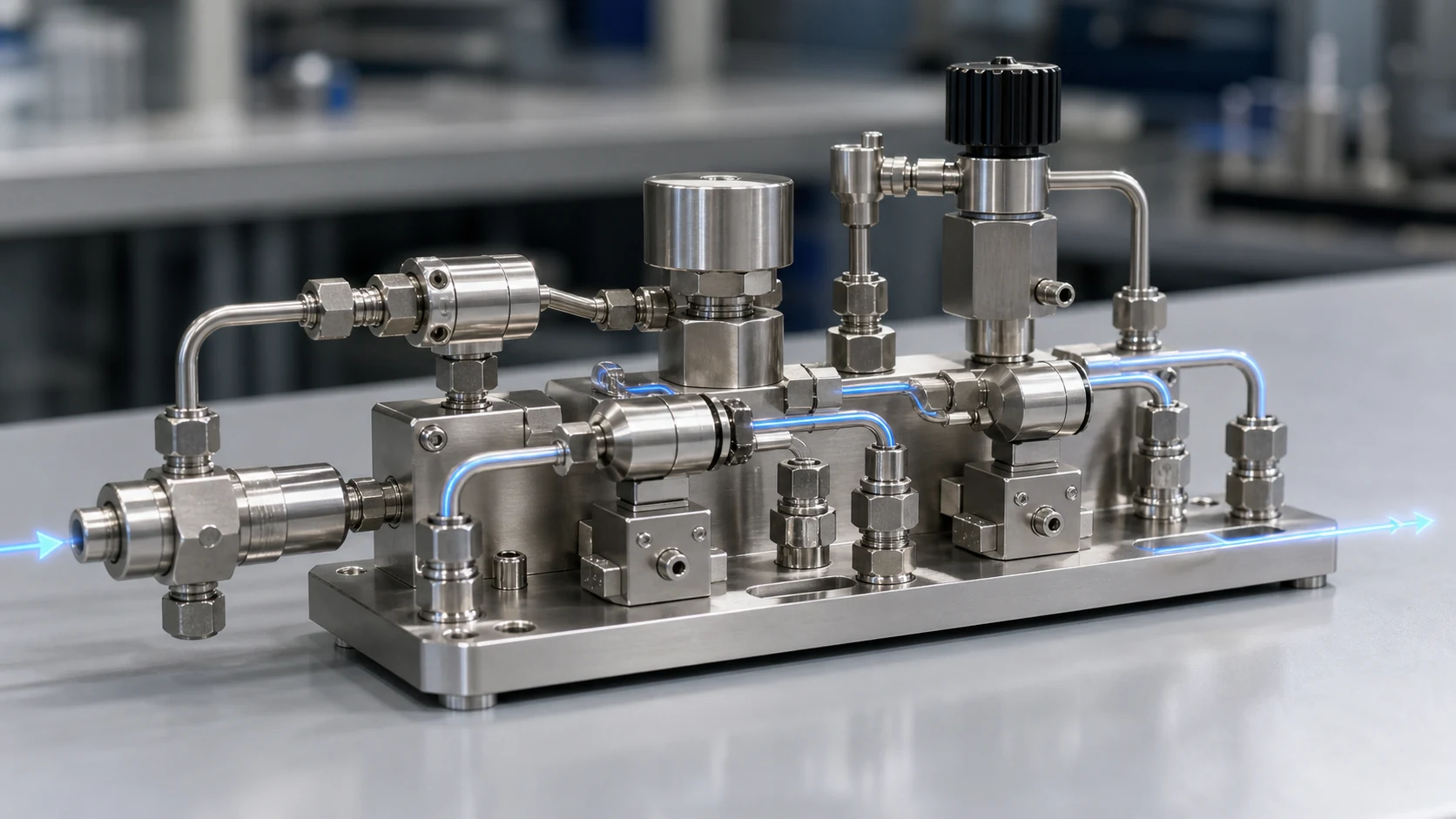
Pressure ratios, gas properties, leakage expectations, safety context, and connection integrity must be evaluated together.
Define flow, pressure, temperature, and transient conditions.
Fit interfaces, envelope, service, and assembly needs.
Align documentation, inspection, and production continuity.
We connect application conditions to component geometry, material compatibility, connection design, inspection, and the production path.
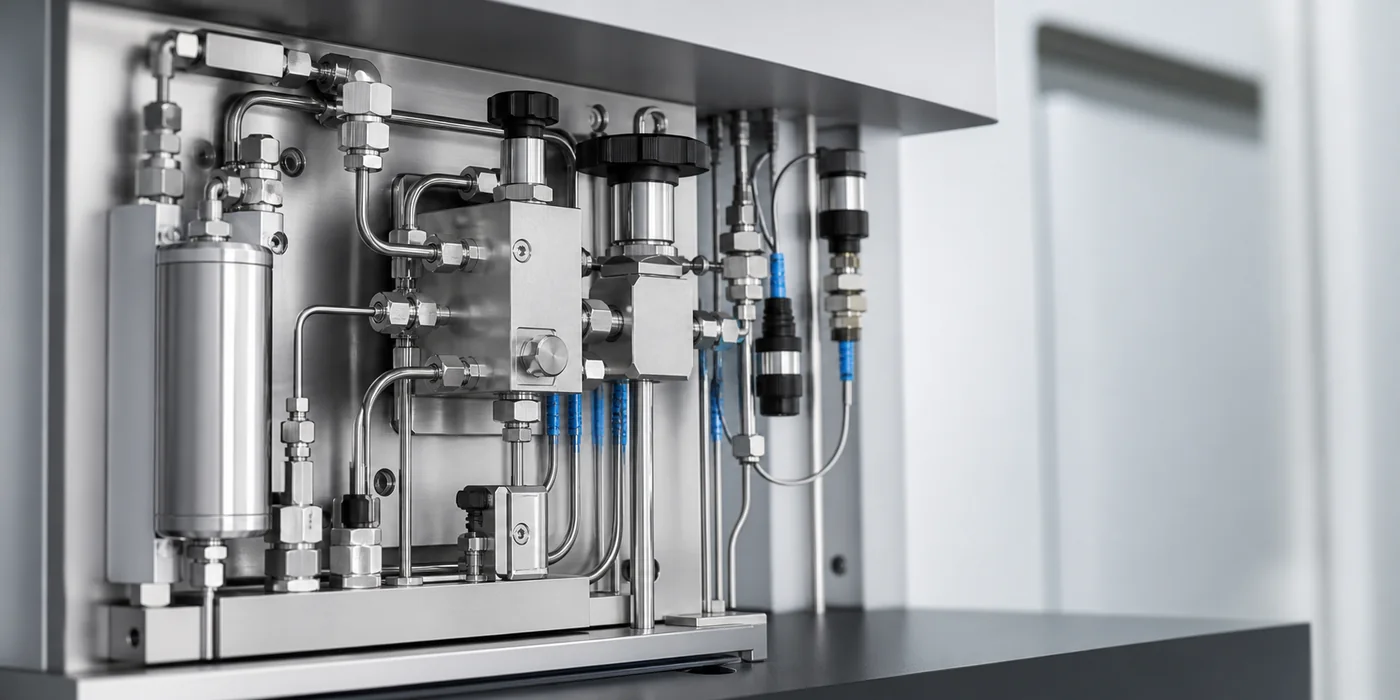
Precisely formed flow passages for repeatable gas or liquid restriction in compact systems.
View ProductCompact restriction components engineered for stable pressure drop and controlled system response.
View ProductCalibrated fixed-flow assemblies for repeatable output without field adjustment.
View ProductEvaluated with the full application requirement.
Evaluated with the full application requirement.
Evaluated with the full application requirement.
Evaluated with the full application requirement.
An example context for engineering evaluation, not a performance claim.
An example context for engineering evaluation, not a performance claim.
An example context for engineering evaluation, not a performance claim.
Custom dimensions, materials, flow performance, connections, and combined functions can be evaluated.
Decision support
Use this application logic to connect the equipment environment to the right flow-control function, material, and supply path.
Cleanliness, installation direction, service access, and documentation shape the design.
Match restriction, non-return, protection, damping, or connection to the system role.
Confirm drawings, tolerances, materials, and inspection expectations before ramp-up.
Application pages should move technical buyers into a focused requirements discussion.
| Decision area | Information to prepare | Why it matters |
|---|---|---|
| Equipment environment | Automation, medical, analytical, semiconductor, gas, pneumatic | Frames cleanliness, documentation, and integration expectations. |
| Critical function | Restriction, protection, non-return, damping, connection, level control | Maps equipment need to candidate component families. |
| Installation constraint | Envelope, orientation, tube path, manifold, service access | Keeps the flow-control design practical inside the machine. |
| Supply expectation | Prototype support, batch repeatability, inspection, change control | Aligns design review with production and delivery needs. |
Challenge and solution
The page now explains the risk, the decision route, and the evidence a buyer needs before contacting the engineering team.
Wrong component choice can create flow drift, clogging, leakage, or late redesign.
Review application conditions, component geometry, material choice, and inspection expectations together.
Factory capability, quality control, and repeat supply support are made visible before the inquiry.
Send the known conditions and let engineering route the request to the right product or custom path.
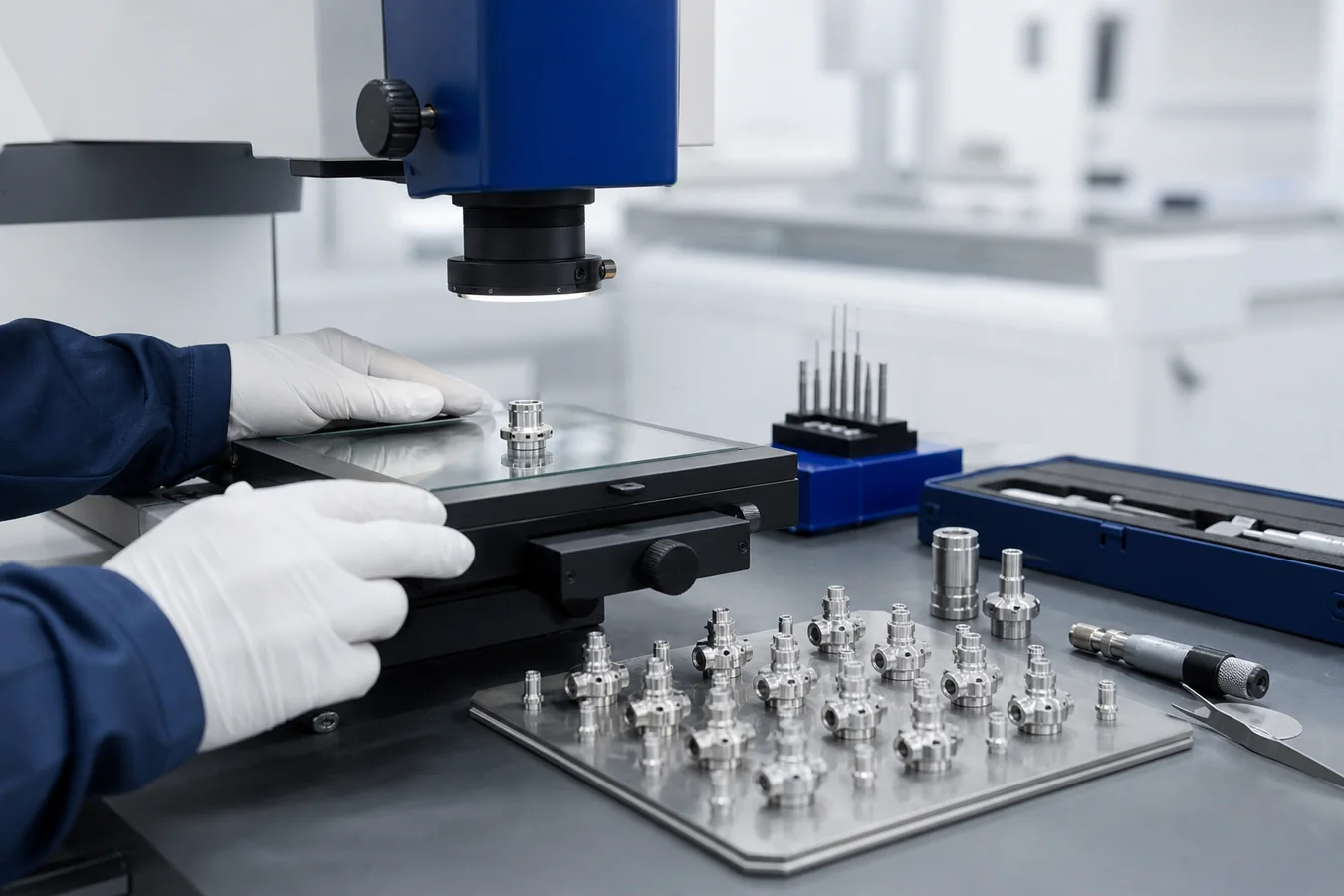
CNC machining and controlled finishing help keep small flow paths consistent.
Laser welding and assembly review support compact OEM components where geometry matters.
Inspection points and documentation can be aligned to the buyer’s application and supply requirements.
FAQ
Use these questions to prepare a faster product, solution, or application review.
Media, target flow, pressure window, temperature, envelope, connection style, drawing or sample, and expected quantity.
Yes. The fastest path is often to compare a standard product family against the modifications required by the application.
Inspection points, material expectations, test criteria, and documentation needs should be confirmed before repeat supply.
Share the system challenge and target operating conditions.