
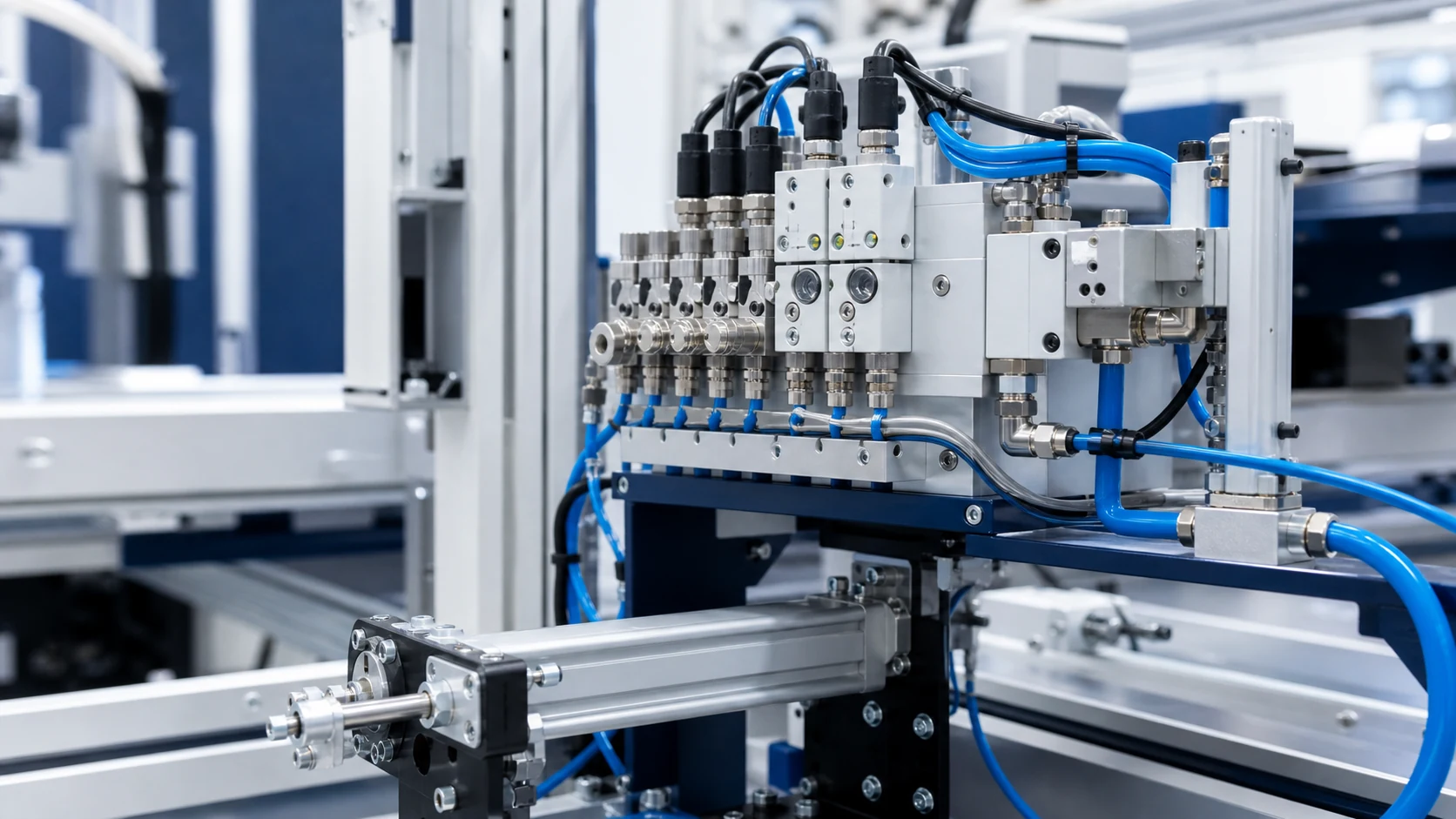
01
Industrial Automation
Actuation, exhaust, protection, and compact pneumatic control.
Application hub
Find product and solution routes by equipment context, operating environment, media, and integration risk.
Application pages separate the real engineering context instead of repeating the same product pitch.
Actuation, exhaust, protection, and compact pneumatic control.
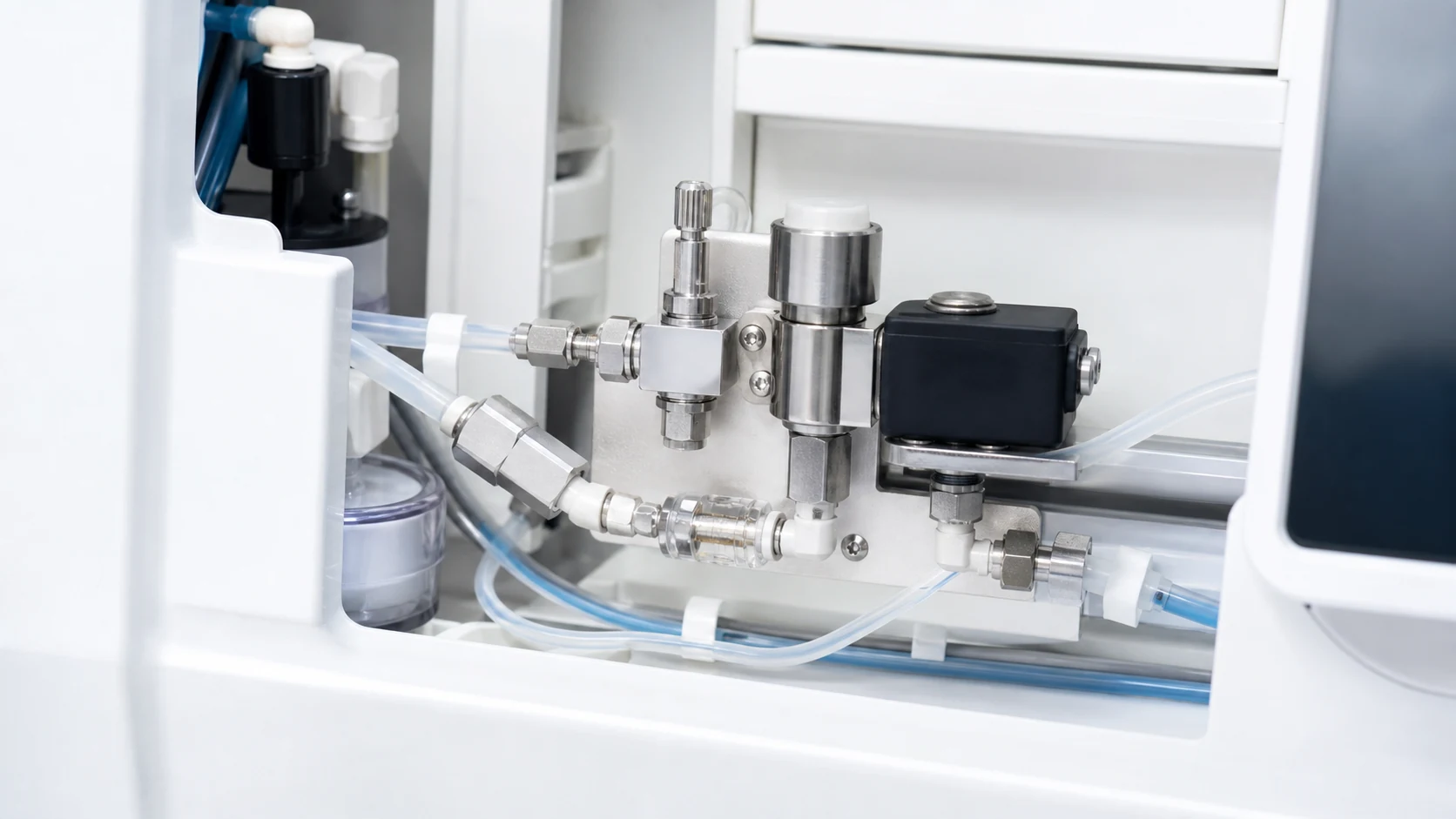
Careful gas and liquid component review with controlled language and project validation.
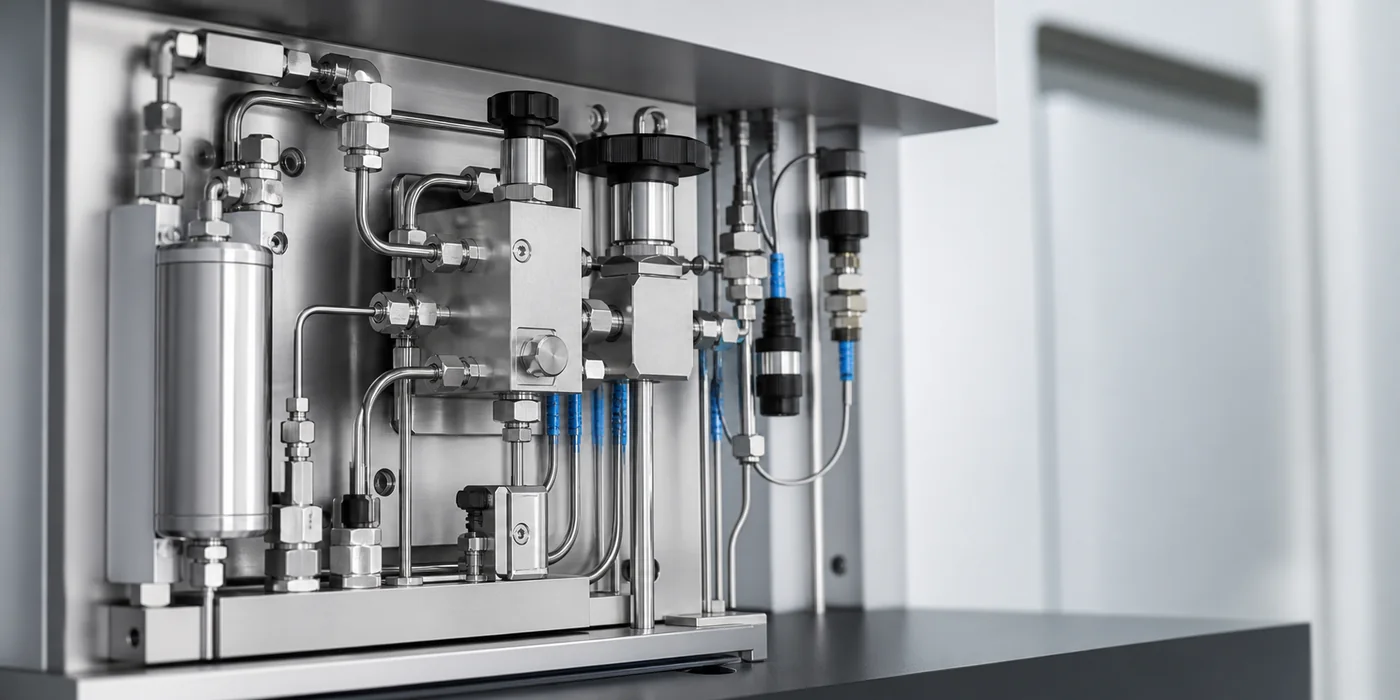
Stable miniature flow paths for sampling, measurement, and calibration.

Cleanliness, material, and integration expectations for demanding equipment.
Restriction, isolation, filtration, and pressure response in gas circuits.
Compact protection and flow control for reliable pneumatic equipment behavior.
Pressure response, leakage, cracking behavior, filtration, and compact routing.
Compatibility, backflow, filtration, level control, and wet material decisions.
Small flow stability, contamination control, material choice, and documentation expectations.
A compact flow path may need restriction, isolation, particle protection, connection hardware, or an OEM combination part.
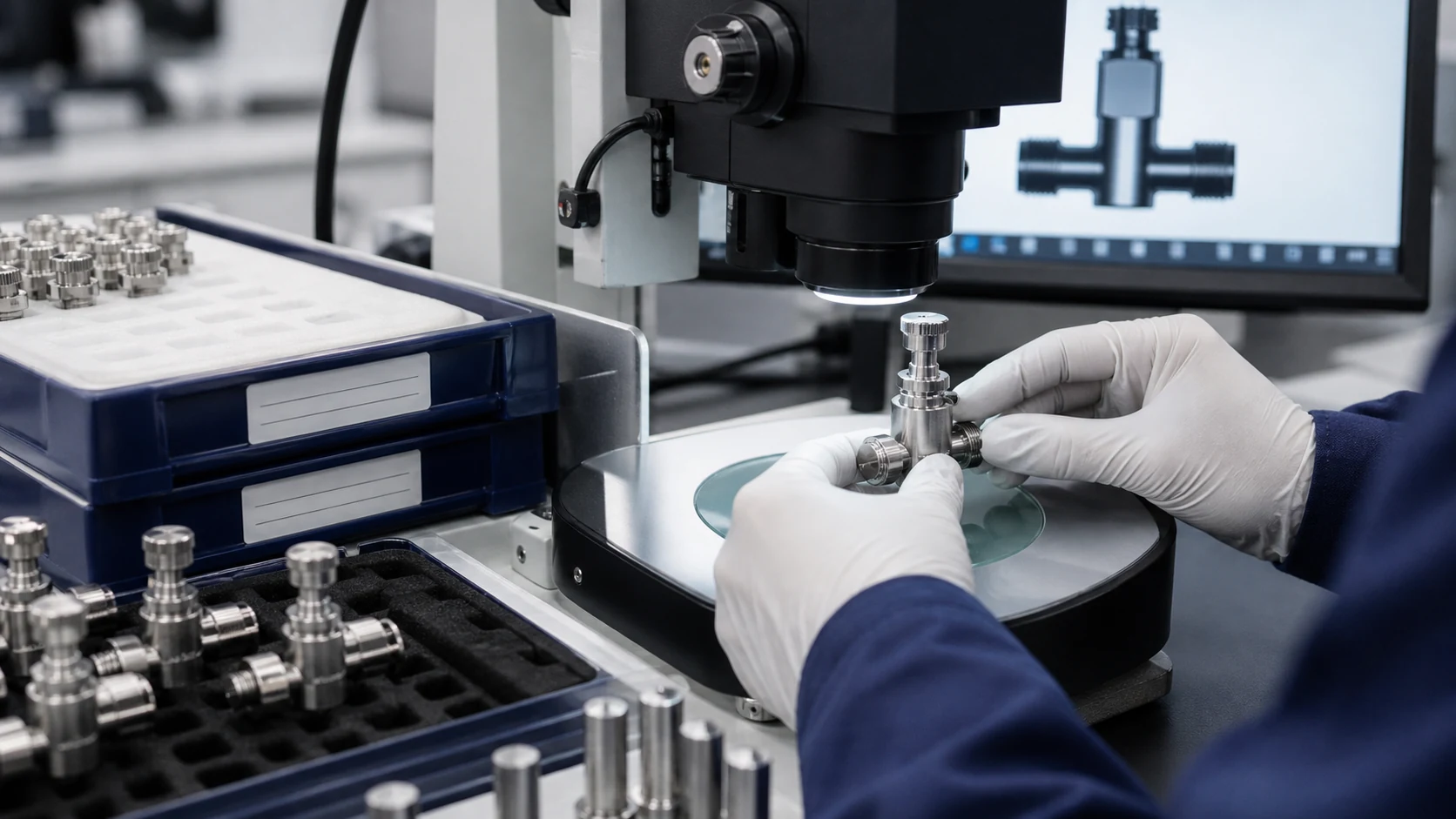
Critical applications need clear requirements, controlled manufacturing, and documentation agreed by product and project scope.
Decision support
This hub now supports AIDA flow: clear routing, credibility, decision support, and a direct engineering inquiry path.
Use precise engineering imagery and concise page framing instead of broad marketing copy.
Show how visitors can route their requirement by product, solution, application, or resource.
Add factory, quality, and process evidence where buyers need confidence.
Keep the next step simple: product review, custom project discussion, or contact support.
| Decision area | Information to prepare | Why it matters |
|---|---|---|
| Visitor intent | Choose product, solve application issue, confirm capability, contact engineering | Routes each visitor to the next useful step. |
| Evidence need | Factory capability, quality control, materials, examples, technical files | Builds trust before asking for an inquiry. |
| Decision support | Matrices, FAQs, process explanations, resource links | Reduces uncertainty for engineers and sourcing teams. |
| Conversion path | Quote request, product review, custom project discussion | Keeps the page tied to a business outcome. |
Challenge and solution
The page now explains the risk, the decision route, and the evidence a buyer needs before contacting the engineering team.
Wrong component choice can create flow drift, clogging, leakage, or late redesign.
Review application conditions, component geometry, material choice, and inspection expectations together.
Factory capability, quality control, and repeat supply support are made visible before the inquiry.
Send the known conditions and let engineering route the request to the right product or custom path.
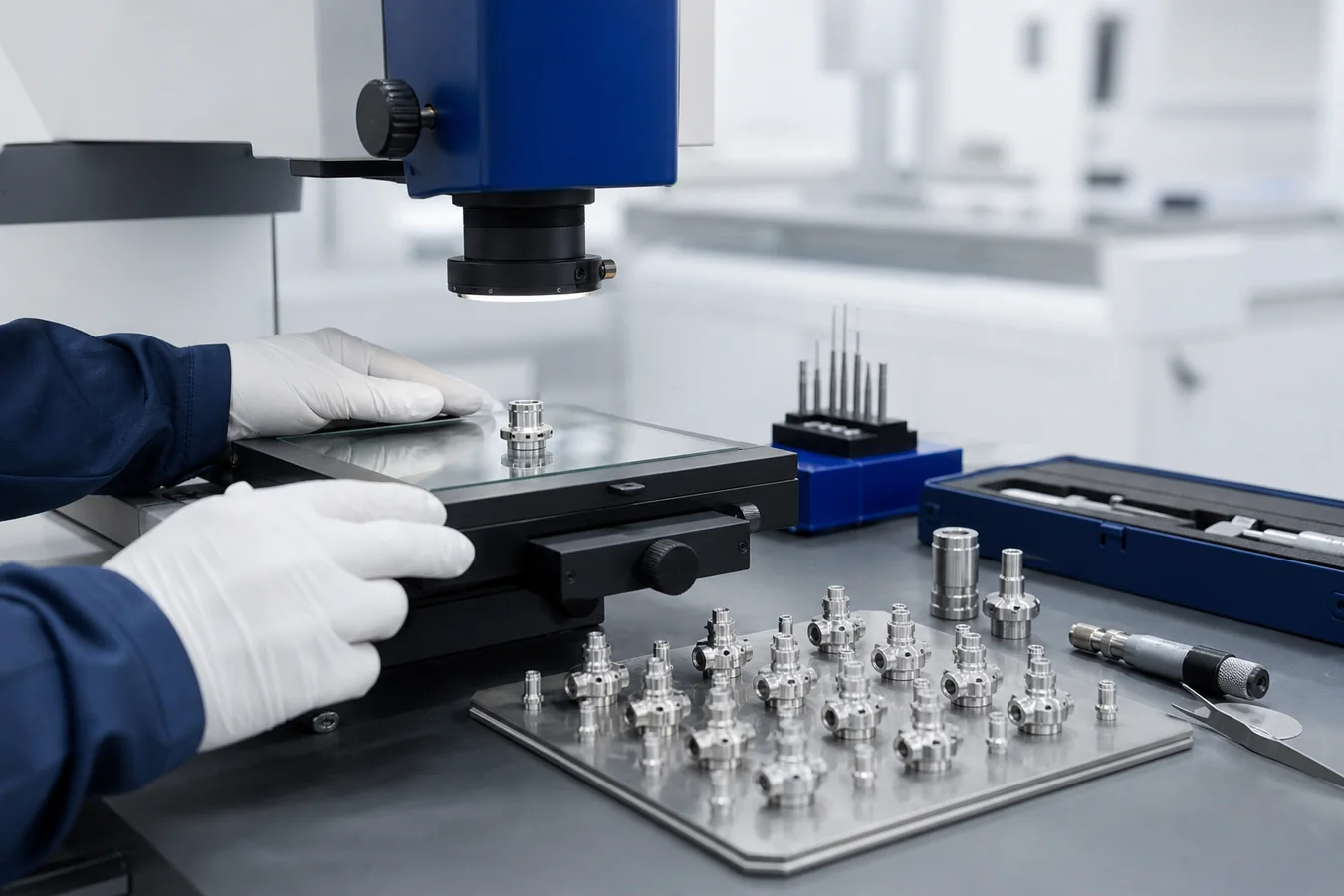
CNC machining and controlled finishing help keep small flow paths consistent.
Laser welding and assembly review support compact OEM components where geometry matters.
Inspection points and documentation can be aligned to the buyer’s application and supply requirements.
FAQ
Use these questions to prepare a faster product, solution, or application review.
Media, target flow, pressure window, temperature, envelope, connection style, drawing or sample, and expected quantity.
Yes. The fastest path is often to compare a standard product family against the modifications required by the application.
Inspection points, material expectations, test criteria, and documentation needs should be confirmed before repeat supply.
Share the equipment type, media, operating window, size limits, material needs, drawing or sample, and expected quantity.